
Geospatial Annotation For Urban Management
Geospatial data is the foundation for nearly all facets of smart city development. It holds a pivotal position in the city planning annotation and decision-making processes, enabling the delivery of urban services in a dynamic setting.

Geospatial Technology Transforming Urban Planning
Urban planning takes a deep understanding of the environment, such as the people who live and other things that affect their lives. It has recently witnessed a shift towards embracing geospatial technology as an essential tool.

The Power of Geospatial Technology in Urban Planning
Geospatial technology gives planners access to real-time data on different topics such as crime rates, population trends, environmental factors, transportation networks, and beyond. With this information, cities can make more informed decisions about resource allocation, enhancing efficiency and equity in their development strategies.
Remote Sensing Annotation
Remote sensing can be applied across various realms of urban planning, such as urban traffic analysis, analyzing urban environmental aspects like air and water quality, and monitoring urban expansion. Recent advancements in remote sensing technologies enable the exploitation of remote sensing data for in-depth urban studies.

Geographic Information System Applications
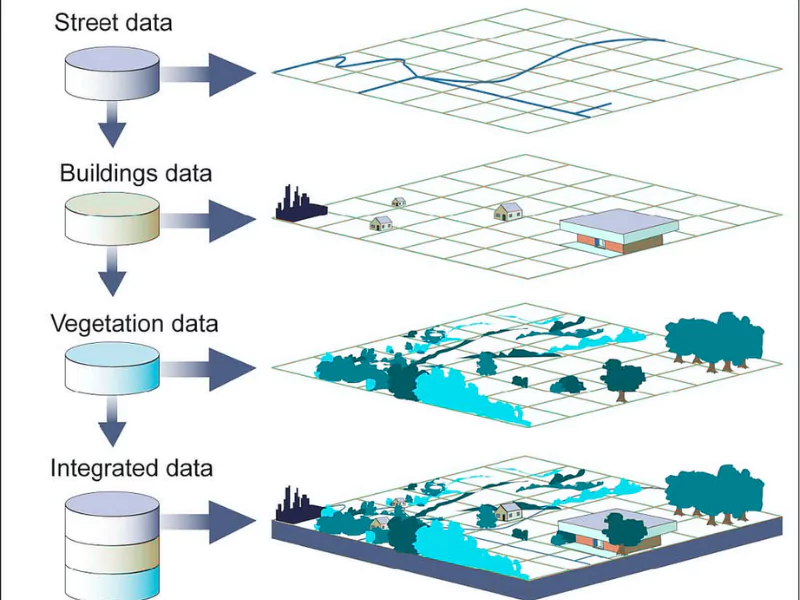
Geographic Information System (GIS) applications are crucial in analyzing urban area expansion and its direction. They are vital for identifying appropriate locations for future urban development. Nonetheless, identifying these growth sites requires careful consideration due to their significance in urban planning.
Urban Infrastructure Planning
Using GIS technology in urban infrastructure mapping and planning enables planners to scrutinize traffic flow, plan public transportation routes, recognize congestion-prone zones, and incorporate citizen-generated data to understand the reasons behind specific mobility trends and residents’ interactions with existing infrastructure.

Disaster Recovery With Geospatial
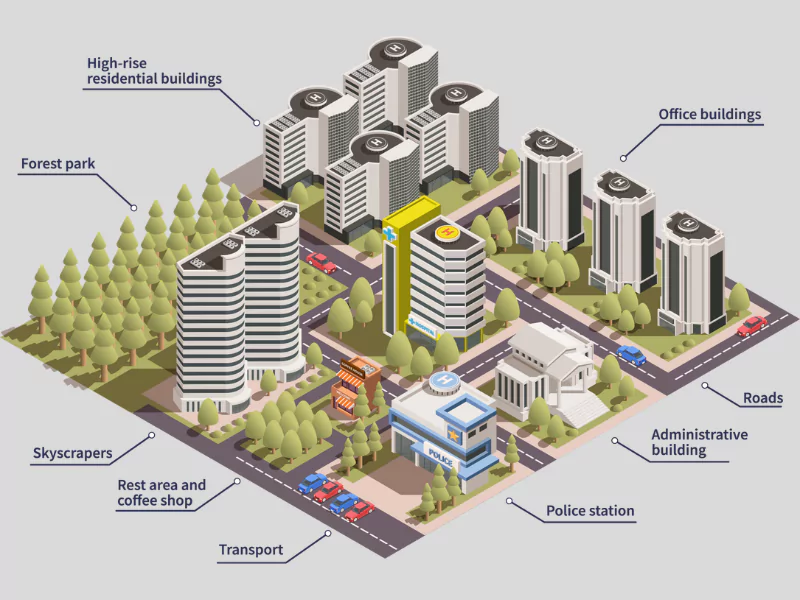
Various geographical areas face unique natural disaster risks such as earthquakes, floods, and hurricanes. Geospatial annotation for natural disasters is pivotal in enhancing the understanding of environmental conditions, facilitating informed decision-making, monitoring the effects of climate change, and predicting potential risk scenarios.
Why Choose Our Geospatial Analytics for Urban Planning
Our skilled and certified team ensures efficient task completion, delivering optimal outcomes. This approach minimizes costs and time spent on segregating, equipping, and categorizing data for AI companies.